


Are Used Jeep Wranglers Reliable? A Buyer’s Guide
Few vehicles carry the cultural weight of a Jeep Wrangler. It’s the kind of truck people buy with a specific vision already locked in: weekend trail runs, salt air with the doors off, a machine that handles just about anything you throw at it. But when you’re shopping used instead of new, that vision needs to be balanced with a clear-eyed look at what you’re actually getting. The good news is that Wranglers hold up remarkably well over time. The catch is that “how well” depends heavily on the generation, the ownership history, and how carefully you shop.
Browse our used Jeep vehicles in Bradenton to see what’s currently available, or keep reading to understand exactly what to look for before you buy.
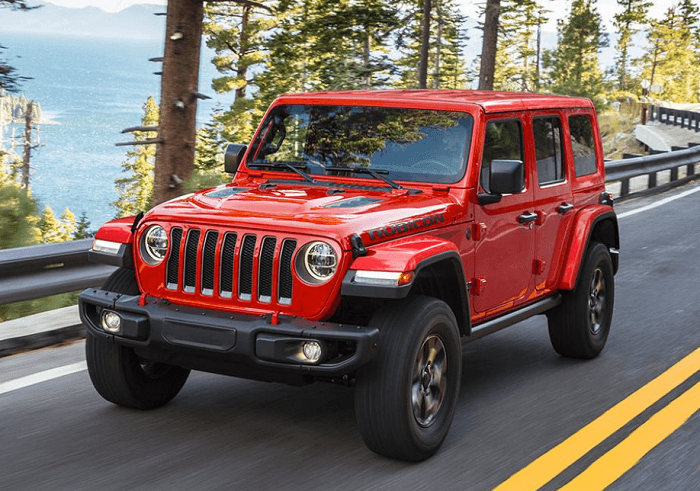
The Short Answer: Used Jeep Wranglers Can Be Very Reliable — Here’s the Full Picture
Wranglers are purpose-built vehicles with a devoted following, and that actually matters when buying used. A large, loyal owner community means better documentation of known issues, more accessible parts, and no shortage of experienced mechanics who know these platforms cold.
Reliability on a used Wrangler isn’t a guarantee, though. It’s a range. Two Wranglers from the same model year can tell completely different stories depending on maintenance history, how hard the previous owner pushed it off-road, and whether any modifications were done carefully or on the cheap. Knowing what to look for helps you find the good ones.
How Reliability Varies Across Wrangler Generations
Jeep has produced Wranglers across several distinct generations, each with its own reliability profile. Here’s a quick reference before we get into the details:
| Generation / Years | Engine Options | Horsepower / Torque | Key Reliability Concerns | Best Model Years | Approximate Reliability Rating |
| TJ (1997–2006) | 4.0L Inline-6; 2.5L I4 (1997 – 2002)/ 2.4L I4 (2003–2006) | 181 hp / 222 lb-ft (4.0L) | Rust on older examples, high-mileage seal wear | 2003–2004, 2006 | Good |
| JK (2007–2018) | 3.6L Pentastar V6; 3.8L V6 (2007–2011) | 285 hp / 260 lb-ft (3.6L) | Death Wobble (esp. 2012), early 3.8L engine/transmission issues | 2015–2018, especially 2017 | Fair–Good |
| JL (2018–Present) | 3.6L Pentastar V6; 2.0L Turbo I4 | 285 hp / 260 lb-ft (V6) | Early 2018 steering recalls, infotainment glitches, turbo I4 overheating under hard off-road use | 2019–2023 | Good–Very Good |
TJ Generation (1997–2006): Battle-Tested and Built to Last
The TJ’s biggest asset as a used buy is mechanical simplicity. Fewer electronics means fewer systems that can fail, parts are widely available, and most repairs are straightforward. Jeep engineered the 4.0L inline-six to be genuinely durable; with proper maintenance, these engines regularly push past 200,000–220,000 miles. Any TJ over 150,000 miles warrants a professional pre-purchase inspection, but don’t let mileage alone scare you off.
Where to be careful: rust. A TJ that spent years in the Rust Belt is a very different proposition from one that lived its whole life in Florida sunshine. Suspension components wear with age too, so inspect them thoroughly before committing.
JK Generation (2007–2018): The Most Common Used Wrangler on the Market
The JK is what most buyers run into when searching the used market, and for good reason. Jeep sold enormous numbers across an 11-year run. JKs offer a real step up in comfort over the TJ while staying genuinely capable off-road, and the four-door Unlimited variant opened the Wrangler to families who needed more practicality.
Reliability-wise, we’d steer clear of 2007–2011 models unless the repair history is impeccable. The 3.8L V6 and early transmissions generated notable complaints, and the 2012 JK is frequently cited for Death Wobble. By contrast, 2015–2018 JKs with the 3.6L Pentastar V6 routinely reach 200,000+ miles. The 2017 model year is a standout. Rubicon trims from this era include solid Dana 44 axles that handle wear better than most. Service records matter a lot when evaluating any used JK.
JL Generation (2018–Present): Most Refined, but Still Worth Scrutinizing
The JL is the most polished Wrangler Jeep has ever built. Better fuel efficiency, a quieter interior, more powertrain options including the turbocharged 2.0L Turbo I4. The 3.6L Pentastar V6 version is known for strong long-term durability with good maintenance.
That refinement comes with added complexity, though. Skip early 2018 models due to steering recall volume. The turbo I4 can face overheating and head gasket issues under hard off-road use, and infotainment glitches show up fairly consistently across the JL lineup. A 2019 or newer JL with a verified service history is a solid pick for buyers who want a modern, connected Wrangler.
Common Issues to Watch for in a Used Wrangler
Across all generations, certain problems come up often enough that every buyer should treat them as standard checklist items.
Death Wobble is probably the most widely discussed Wrangler concern. It’s a violent steering vibration at highway speeds tied to worn steering or suspension components. Sounds alarming, but it’s a well-understood problem with fixable causes, and plenty of owners never experience it. Checking tie rod ends, track bar bolts, and ball joints during inspection addresses this directly.
Leaking freedom panels and soft tops are another recurring issue, particularly in sun-heavy climates. Seals degrade over time, and water intrusion leads to mold, rust, and interior damage. Check floorboards carefully for moisture staining.
Electrical faults, including dashboard warning lights, battery drain, and infotainment glitches, appear across JK and JL models. On JKs, also inspect Dana axle seals and differential condition, especially on trucks with any water-crossing history. Cooling system neglect is worth checking on any high-mileage example.
How Previous Off-Road Use Shapes the Vehicle You’re Getting
A Wrangler is built for trails, but there’s a genuine difference between occasional weekend use and years of hard technical wheeling. Solid axles and rugged builds handle wear better than most SUVs, but only when they’ve been maintained.
Heavily modified trucks deserve extra scrutiny. Lift kits and larger tires can genuinely improve capability when done right. Budget builds using low-quality parts, or lifts installed without steering corrections, accelerate wear across multiple components. Ask whether modifications were done professionally and whether any recall work was completed afterward.
Rock crawling and water fording put specific stress on driveshafts and axle seals. Check fluids for metal shavings. A visual inspection of the undercarriage can reveal bent skid plates, scarring on frame rails, or aftermarket armor that suggests serious off-road history. None of that is automatically disqualifying, but it warrants a more thorough look.
What to Look for When Inspecting a Used Wrangler
Pre-Purchase Checklist
- Frame and underbody rust, especially along frame rails and cross members.
- Lift kit and modification quality, including whether steering corrections were made.
- Death Wobble symptoms such as steering shimmy at highway speeds.
- Fluid leaks and condition, including checking for metal shavings in differentials.
- Soft top or hardtop condition, including latches, hinges, and seals.
- Electrical system function, including four-wheel drive engagement and infotainment operation.
Documentation to Review
Require a clean title and review a vehicle history report for salvage, flood, or rebuilt designations. Flood-damaged vehicles are a particular concern along the Gulf Coast, where storm surge events do occur. Verify full service records, recall compliance, and consistent fluid service history. A Wrangler with thorough documentation is a far safer purchase than one with gaps, even if it presents well visually.
We recommend having any used Wrangler you’re seriously considering inspected at our Firkins service center before purchase. Our certified pre-owned vehicles go through a rigorous multi-point inspection, which removes much of the uncertainty that comes with private-party purchases.
What to Expect from Ownership Costs and Ongoing Maintenance
The purchase price is just the starting point. According to RepairPal, average annual maintenance for a Jeep Wrangler runs around $694, which is competitive for a vehicle in this segment. That figure covers routine upkeep under normal driving conditions.
Off-road use changes the math. Suspension and tire wear accelerate meaningfully on trucks that see regular trail use, and larger off-road-rated tires cost more per set. A well-maintained TJ may need more frequent attention due to age, but parts are cheap and plentiful. A newer JL will have longer service intervals but higher repair costs when specialized work is needed.
One thing worth keeping in mind: Wranglers hold their resale value better than almost anything else in the segment. Buyers who maintain their trucks carefully tend to recover a healthy share of their purchase price when it’s time to move on.
Shopping for a Used Jeep Wrangler Near Bradenton and the Gulf Coast
At Firkins Used Cars & Certified Pre-Owned Outlet in Bradenton, we specialize in taking the uncertainty out of used vehicle purchases. Every pre-owned and CPO Wrangler in our inventory comes with documented service history, so you’re not left guessing about what the previous owner did or didn’t maintain.
Florida’s climate works in buyers’ favor here. Less exposure to road salt and harsh winters means many vehicles in the Bradenton area show significantly less underbody rust than trucks sourced from northern markets. That said, Gulf Coast humidity and coastal salt air do accelerate seal wear and underbody corrosion over time, so we always recommend prioritizing rust-free undercarriages on any local used Wrangler. If you’re also weighing other options, our used SUV inventory in Bradenton covers a broad range of capable vehicles worth comparing.
Contact us to connect with our team, or call us at 941-203-1405. We’re happy to walk you through our current Wrangler inventory and answer any questions before you visit. Whether you’re shopping for a trail-ready 4×4 or a daily driver with weekend personality, we’re here to help you find the right fit.

0 comment(s) so far on Are Used Jeep Wranglers Reliable? A Buyer’s Guide