


What Is Good Mileage for a Used Car? A Complete Guide for Smart Buyers in 2025
Are you shopping for a used car and feel confused about mileage? Join the club. The numbers on that odometer can make you second-guess everything. But don’t worry. We’re here to walk you through what makes for good mileage on a used car, why the odometer isn’t the whole story, and how to pick a preowned ride that won’t let you down.
Understanding Used Car Mileage: The First Steps
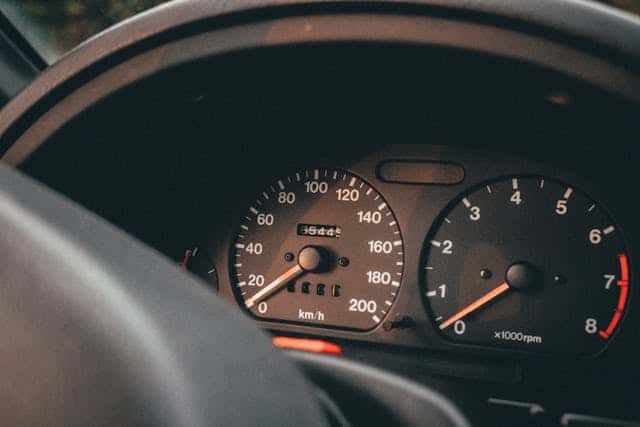
Car mileage isn’t just a random number; it tells a car’s life story in miles traveled. Think of it as the vehicle’s age in terms of road experience rather than years. The mileage figure provides clues about how much wear and tear the parts have experienced and what might need fixing soon. Generally, cars with high mileage will need more TLC than those with fewer miles on the clock.
But here’s a cool fact — today’s cars are way more durable than the rides your parents drove. Research shows that a modern car with 100,000 miles on the clock might have just as much life left as one with 200,000 miles did twenty years back. Crazy, right? The average driver puts about 12,000 miles on their car each year, so that’s a good baseline when you’re checking out potential buys. Just remember that mileage is only one piece of the car-buying puzzle — kinda like judging a book by its page count rather than its actual story.
What Mileage Is Too High for a Used Car in 2025?
There’s no universal perfect mileage number. Based on the 12,000-mile yearly average, a five-year-old car will typically have around 60,000 miles on the clock — significantly lower might be a good thing, while higher indicates heavier use. That said, many experts agree that vehicles averaging 15,000 miles or fewer per year are generally reliable. So, higher numbers shouldn’t always be a deal-breaker.
Newer cars (2-3 years old) with under 30,000 miles on the clock are considered low mileage, while those in the 30,000-60,000 range are average. The old belief that 100,000 miles or more indicated high mileage is outdated. Today’s vehicles often perform well beyond this if properly maintained. Limiting yourself to only sub-100K vehicles means potentially missing out on great deals with plenty of life left.
Ready to find your next used car? Browse our affordable low-mileage inventory, value your trade, or call us today!
Defining Good Mileage: General Guidelines by Vehicle Type
Different vehicles age differently. Family cars typically offer the best value under 100,000 miles. Trucks and SUVs, however, are built tougher, so they can handle higher mileage with ease. Countless trucks are known to still be running strong well beyond 150,000 miles.
Luxury vehicles usually exhibit lower mileage, as they’re often used as weekend rides rather than daily commuters. Be cautious, though, as repairs on luxury cars cost premium prices. With good care, most modern vehicles can exceed 200,000 miles regardless of type. The smart approach is to judge each vehicle on its merits, not just its numbers. A well-maintained 150,000-mile truck can often outlast a neglected 75,000-mile sedan.
Many auto professionals point to 30,000-70,000 miles as the sweet spot for reliability and value. Vehicles within this range have already taken a big depreciation hit, but they should still have plenty of miles ahead of them. Some may still even have factory warranty coverage.
Highway miles are usually less damaging than city driving. Steady cruising is easier on cars than constant stop-starting. A car with 100,000 highway miles might outlast one with 50,000 city miles. When checking out used cars, always ask about the previous owner’s driving habits. High mileage is less concerning when it primarily consists of highway driving by a careful owner.
Should You Choose a Low-Mileage or High-Mileage Vehicle? Pros & Cons
Low-mileage cars cost more upfront but generally need fewer immediate repairs. High-mileage vehicles come cheaper but may need more care later on. It’s a simple equation: pay now or pay later.
Your individual situation will determine the best choice. If you plan to keep the car long term, lower mileage might justify the higher cost. If you’re on a tight budget, a well-maintained, higher-mileage car makes more sense. Making the right choice means balancing today’s budget against tomorrow’s potential expenses.
When Low Mileage Might Not Be Best: Hidden Pitfalls
Super-low mileage can sometimes hide major problems. Cars that are rarely driven can sit unused for years. Long periods of sitting idle can lead to cracked rubber, dead batteries, and deteriorated fluids.
A 10-year-old car with just 25,000 miles on the clock might seem like a great catch, but if it’s been sat in a garage for years, it might need all its rubber components replaced or have seal and gasket issues. A regularly driven car with higher mileage will often prove a smarter choice. Always look beyond the odometer at the car’s full history.
The Impact of Service and Maintenance Records
Maintenance records can tell you more than odometers can. Regular oil changes and adherence to factory service schedules can extend a car’s life span significantly. Savvy buyers always ask to see these records.
Check for records of oil changes every 3,000 to 7,500 miles, timing belt replacements around the 90,000 to 100,000-mile mark, and regular brake services. If the records are missing, that’s a big red flag. In the used car market, how well a vehicle was treated often matters more than the number of miles driven.
The Benefits of Certified Pre-owned Vehicles
If you’re nervous about buying used, consider certified pre-owned (CPO) options. These vehicles undergo thorough inspections to meet strict dealer standards. Most come with extended warranties, protecting you from unexpected repair bills.
CPO programs offer extra peace of mind, especially with higher-mileage vehicles. The trade-off is a higher price than standard used cars. Whether it’s worth it depends on your comfort level with undertaking repairs and how much you value warranty protection. For those lacking mechanical skills or emergency repair funds, the CPO premium typically justifies itself through reduced stress alone.
Frequently Asked Questions
Is 100,000 miles too much for a used car?
Not necessarily. Many modern vehicles can last well beyond 150,000 miles with proper maintenance. Look at the service history and overall condition.
What’s the ideal mileage for a used car?
Anywhere between 20,000 and 60,000 miles is typically considered ideal, especially for vehicles under 5 years old.
Does mileage matter more than age?
Both are important. Mileage tells you how much a car’s been driven, but age can indicate wear on seals, belts, and electronics.
Find Your Next Used Car in Bradenton, Florida Today
Mileage matters when buying used — but it’s just one part of a vehicle’s story. Always check the condition, maintenance history, and how well the car fits your lifestyle and budget. Well-maintained high-mileage cars often outshine neglected low-mileage ones. Trust your instincts and evaluate the complete picture.
Ready to find your next car? At Firkins Auto Group, we offer quality pre-owned vehicles with various mileage options. Our team can help you find your perfect match. Call 941-301-2547, or browse our current inventory online. Your ideal car awaits — with just the right number of miles on it.
Speedometer by Malte Luk is licensed with Pexels License

0 comment(s) so far on What Is Good Mileage for a Used Car? A Complete Guide for Smart Buyers in 2025